I recently gave my own provocative speech in a Muslim country. The occasion was a conference of the Turkish think tank ARI (Movement for Civil Society) in Istanbul, that fantastic city straddling two continents plus countless centuries. The topic: "The Security and Diplomacy Role of NATO in the 21st Century." Readers understand that I am long on security and short on diplomacy. I was blunt in what I told the assembled diplomats, officials, academics and journalists from many countries, joined in the auditorium by members of the Turkish public.
Lobbying for a Key U.S. Ally
I made it clear that I spoke as a friend of Turkey, one of few Moslem countries practicing democracy. I reminded that I lobbied for Turkey in such matters as procurement of Apache helicopters to fight PKK terrorists (more than 36,000 people have been killed in southeast Turkey, a region I have visited) as well as in resisting Armenian Genocide Resolutions in our Congress (because passage would gravely damage U.S. relations with a key ally--see column of October 12, 2007). Recalling that NATO is based on shared democratic values proclaimed by Roosevelt and Churchill in the Atlantic Charter, I cited three areas where Turkey's adherence to democracy is menaced:
Omnipresent Surveillance and Official Witch-Hunt
Many Turkish friends no longer respond candidly to me in e-mails or phone conversations. I asserted that the shadow of surveillance is inconsistent with the values of a free society. I acknowledged that this is related to a widening investigation called Ergenekon, which originally targeted a suspected coup, but threatens to become a witch-hunt to silence secularists, e.g., arrests in April of 12 middle-aged women working for an NGO providing scholarships for poor girls.
Do not Choose Your Friends from the Rogues' Gallery
Acknowledging Turkey's traditional hospitableness, I asked why its Government "repeatedly treats as honored guests an international rogues' gallery consisting of Hamas Chieftain Khalid Meshaal, Sudanese President al-Bashir--for whom the International Court of Criminal Justice has issued an arrest warrant for crimes against humanity in Darfur--and (3) Iraqi Warlord al-Sadr."
A Shameful Surge of Anti-Semitism
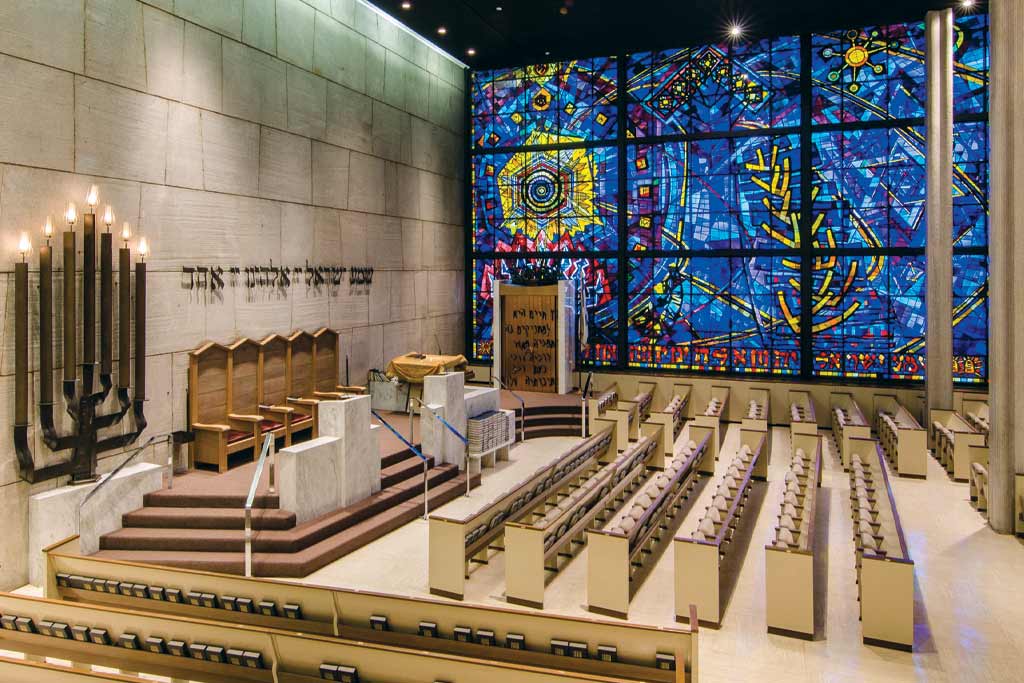
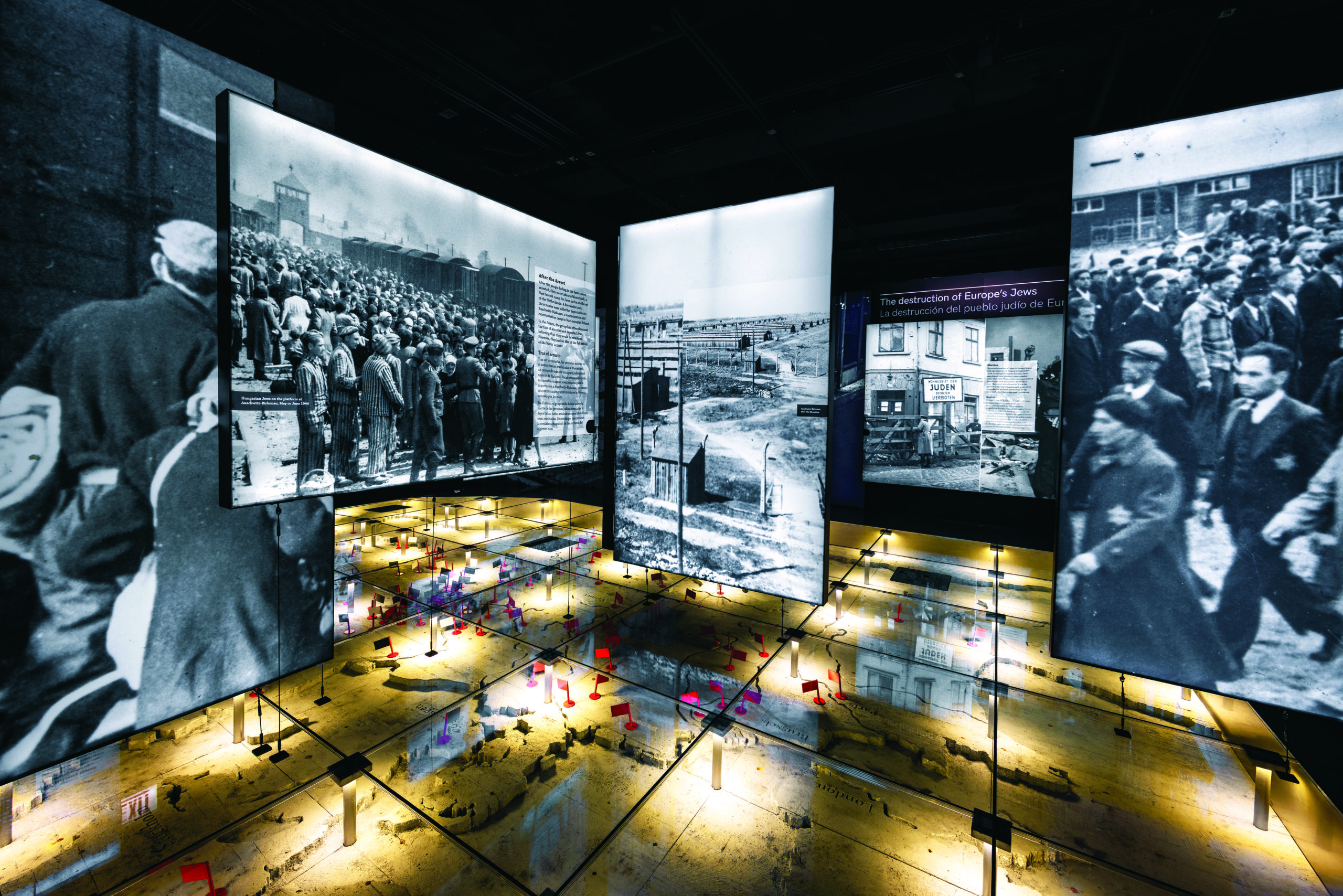
I recalled tense days last January when I was in frequent contact with leaders of Turkey's Jewish community of 22,000 members--living among 71 million Muslims--concerning fears resulting from threats against Jews (see column of Feb. 12, 2008, Turkey's Prime Minister Leads His Country Down a Destructive Path). My decibels rising for emphasis, I reminded that "Turkish Jews were targeted by officials, political parties and media, including billboards, depicting strife in Gaza as a struggle between religions. Turkish Jews were made to fear for their safety, e.g, a sign in a store proclaimed 'Dogs are welcome, but not Jews and Armenians.'" Jewish doctors took down signs showing their names. A placard in a demonstration of the ruling AK Party said: "Now I understand the value of Hitler." While Turkey's top officials at times cautioned against anti-Semitism and the storm has subsided, I wondered aloud: "Have the germs of anti-Semitism been cleansed, or are they incubating until the next storm?"
Concurrence from Turks
I harbored residual concern for reactions of my Turkish friends, who are justifiably proud of their republic. Ex-Ambassador Onur Oymen immediately took the floor. A member of Parliament from the CHP Opposition and former permanent Turkish Representative to NATO, he emphatically said he agreed with my remarks, and it was important for Turks to hear this. When Vahit Erdem, member of Parliament from the AK Party and head of Turkey's delegation to the NATO Assembly, asked for the microphone, I was apprehensive. He advised leaving Ergenekon to the judiciary. He said he personally had opposed contact with Hamas, which he frankly called a "terrorist" organization, but Turkey had to consider that Hamas had won an election. He allowed that the Gaza war has drawn hostile sentiments against Turkish Jews but cautioned about generalizing from single cases.
Oded Eran, former Israeli ambassador, said I had spoken "courageously" and that Turkey should use its prestige to test Iran and Hamas. The last word belonged to the moderator, my friend Kemal Koprulu, founder of ARI and scion of an eminent Turkish family. ARI had criticized Turkey for inviting Meshaal before Hamas showed how it would govern: "Turkey should be holding Hamas accountable."
Whither Turkey: East or West?
I don't presume these discussions momentously settled anything. They comprised part of hours of concerned debate about daunting challenges of trans-Atlantic security and diplomacy. Islamist policies of Turkey's government are a continuing cause for alarm, as is the perception that Turkey's increasing coziness with neighbors like Iran and Syria weakens solidarity against state sponsors of terror. I came away with more questions than answers, particularly after young Turkish intellectuals expressed frustration that they felt excluded from meaningful political activity. Watching Turkey's young people (65% of the population is under age 35) enjoy late spring nights in cafes along the Bosporus, it is difficult to picture this country going fundamentalist. But the call of religious tradition is powerful, Europe is ambivalent about Turkey, and no one can tell exactly where Turkey is going.
Joel J. Sprayregen is a Chicago attorney and former chairman of JUF's Jewish Community Relations Council.