On the first Thursday evening in March, there was great celebration in Gaza. Thousands of Palestinians took to the streets, shooting guns in the air, offering prayers of gratitude and handing out candy to local children. They weren’t celebrating a religious holiday or a sports championship. They were celebrating the vicious murder of eight yeshiva boys at the Mercaz HaRav Yeshiva in Jerusalem.
As Pesach approaches, consider how this heinous behavior contrasts with our seder ritual of spilling 10 drops of wine for the plagues visited upon our oppressors in Egypt. As Jews, we are taught that our cup of joy is reduced by the suffering of our enemies. It is a lesson that Israel’s enemies have yet to learn.
This is only one of many times that throngs of Palestinians have rejoiced in the spilling of Jewish or American blood. Gazans also poured into the streets by the thousands to celebrate a recent suicide bombing at a shopping mall in the Israeli town of Dimona, honking car horns and handing out flowers to passers-by as they reveled in the murder of a 73-year-old Israeli woman and the wounding of 11 others. The news of terrorist planes slamming into the Twin Towers and the Pentagon on Sept. 11, 2001, met with similar celebrations.
By contrast, rather than celebrate the death of civilians, Israelis do everything in their power to avoid them—sometimes at great personal risk.
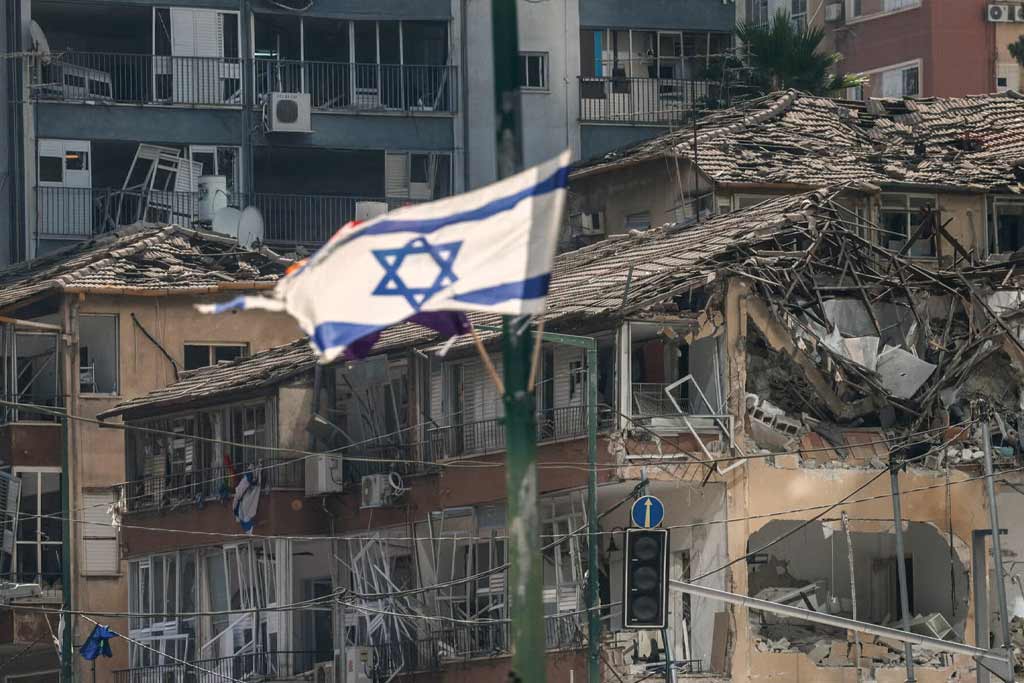
The horrific celebrations in Gaza reflect the vile, extremist Islamic ideology that Israel’s citizens face daily. This attack did not occur in a vacuum, but unfolded against the backdrop of seven years of daily rocket attacks launched by Hamas and other terror groups against Israeli families living in Sderot and other communities near the Gaza border. Hundreds have been injured and at least 13 killed. Having been in Sderot during two such attacks, I have had a taste of the emotions and adrenaline a person experiences when the alarm goes off and there are only 15 seconds to run for shelter. However, I can’t even begin to imagine the full impact on children who have never known life without terrifying daily alarms and rocket fire.
As stated in a recent article by Jonathan Schanzer in the Weekly Standard, “the culture of violence among Palestinians both in the West Bank and Gaza calls into question whether the Palestinians are truly ready to create their own state.” Until the Palestinians are prepared to celebrate the establishment of orderly self-rule, culture, economic independence and an educational system that teaches respect and tolerance, rather than seeking the destruction of the State of Israel, the Palestinian-Israel conflict will have no end.
Israeli citizens don’t celebrate the deaths of their enemies. They celebrate the bond of friendship that exists between the citizens of Israel and the citizens of America. They celebrate the winning of Olympic medals and Nobel Prizes. They celebrate developing cures for cancers and advances in agriculture that help feed the developing world. They celebrate the absorption of millions of Jews from Arab countries, the countries of the former Soviet Union, Ethiopia, Argentina, and other nations across the globe.
And where the Palestinians revel in destruction, Israelis rebuild. Within days of the attack on Mercaz Harav Yeshiva, your Jewish United Fund sent a $15,000 check to help restore the library where the massacre took place—dollars that came from the $43.5 million in Israel Emergency Campaign funds recently raised in Chicago. With such support from worldwide Jewry, our brothers and sisters in Israel will continue to rebuild—and look forward to the day when their enemies are more devoted to creating a viable future for their own children than destroying the future for Israel’s children.
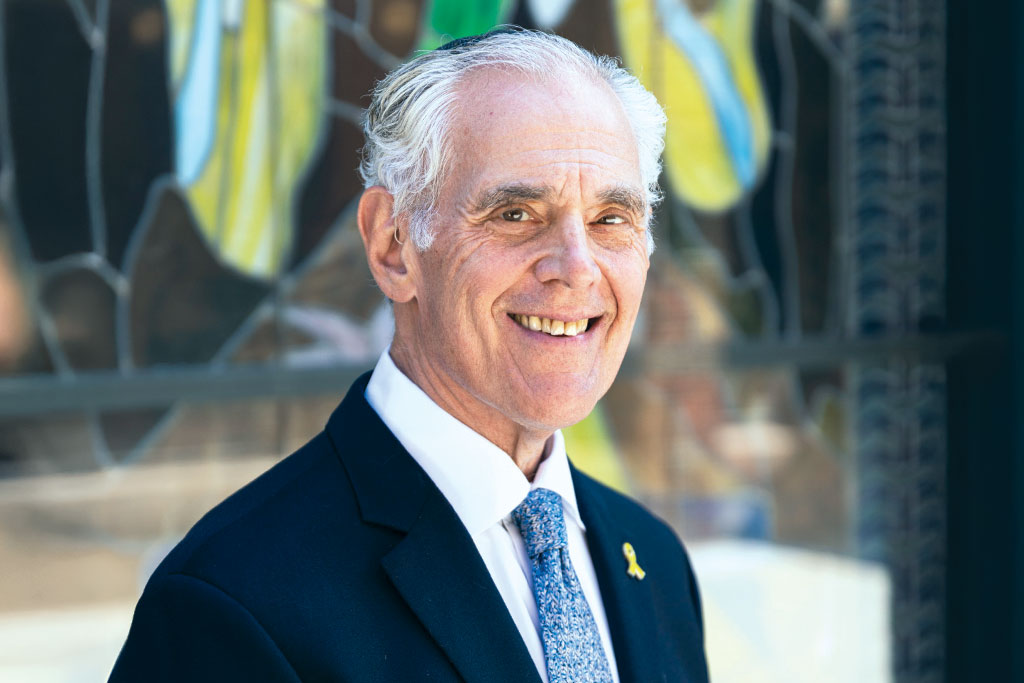
Steven B. Nasatir is president of the Jewish United Fund/Jewish Federation of Metropolitan Chicago.