JUF and You

Subscribe to JUF's
e-mail newsletters:

The Guide
The Guide to Jewish Living in Chicago
offers a comprehensive, up-to-date listing of Chicago-area Jewish organizations, resources, products, and services.
Memorials & Celebrations
Celebrating, rejoicing or sending love to a friend in need? JUF has a card or certificate designed just for you.
E-mail this page   E-mail this page      Print this page   Print this page      Bookmark and Share

Spreading the word on Jewish Peoplehood

Michael Kotzin
On My Mind

The subject of Jewish peoplehood is in the air, with attention now focused on what practical steps might be taken to ensure the continuity of the Jewish people at a time when that continuity is challenged by a number of factors. Those factors include high levels of assimilation, low birth rates and small numbers to start with.

Surely this is important work. All the same, at least as important is the development of an informed analysis, and, as the times seem to require, an articulate defense and appreciation of the concept of Jewish peoplehood.

This is a complex matter. The very idea of peoplehood—a unique and unfamiliar concept—is regarded by some as smacking of a narrow particularism that runs up against the fashionable universalism of the age. In the eyes of those who question its acceptability, the idea is associated with a primary evil of our time, racism. When linked to Zionist ideology, the concept of Jewish peoplehood is accused of being especially abhorrent and retrograde by post-nationalists, who dominate much of the European intellectual scene and have a presence on American—and even Israeli—campuses.

Based in part on the biblical reference to a “chosen people,” the religious dimension of Jewish peoplehood is made problematic when it is regarded as a selfish and unfair sense of superiority, an interpretation that has contributed to anti-Semitic stereotyping for centuries. Meanwhile, though it is at odds with the historic experiences and traditional beliefs of the Jewish people, and it is both misleading and dangerous in its way, the contra-peoplehood notion that Judaism is merely a religion like any other religion and should see itself and be seen by others solely in that fashion is something that some might consider a natural formulation in today’s world.

These challenges make it all the more difficult but also all the more essential to create a positive, informed study of Jewish peoplehood and to spread the word. Such an approach would help Jews — both in the diaspora and in Israel —better understand the ties that bring them together, ties that are increasingly important in today’s world. It would also help create a moral and intellectual bulwark against those who deny the legitimacy of the State of Israel, the practical expression of Jewish peoplehood today.

A project of this sort would call for research and an examination of ideas from biblical times through the modern era and for the framing of an argument regarding Jewish peoplehood that counters the postmodern challenges to the concept. Such an approach would show how the concept of Jewish peoplehood is rooted in the biblical text that describes how Jews first came together and conceived of themselves as a people while enslaved in the land of Egypt.

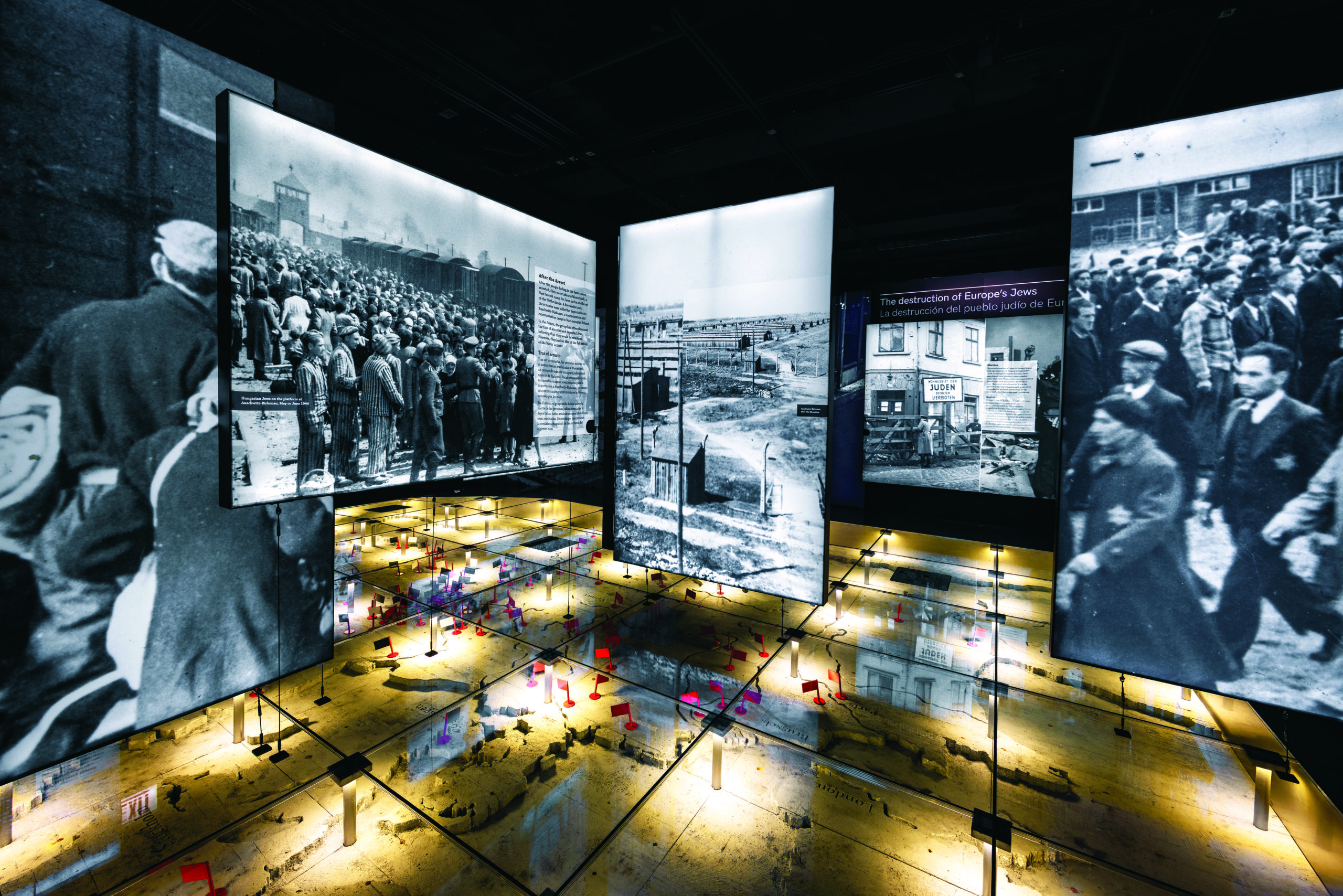
As the narrative continues, the Children of Israel, liberated and led by Moses, made their way to Mount Sinai, where they were “chosen” to keep God’s commandments. After wending their way to the Promised Land, it was as a people that the Jews established sovereignty in that land, and as a people that they were exiled from it. In Babylon, they were strangers in a strange land once more and they remembered and yearned for Zion. After returning, they subsequently faced exile once more, this time for centuries.

The kind of approach I am thinking of would move from biblical narrative to historical review and show how it was as a people that, during the post-exile centuries, the Jews suffered persecution and faced genocide; as a people that they continued to recall the exhilaration of the exodus from Egypt and the glories of Jerusalem; and as a people that, inspired by Zionist ideology, they returned to the ancient land of their people, re-established sovereignty, and re-entered the history of nations. Finally, it is as a people that the Jews of the world retain and reinvigorate their sense of connection and the ties that bind them to one another.

There is of course much more to the story of the Jews. But in its basic form it is the story of a people—a people with the charge of being a light unto the nations, and a people striving to understand and shape its destiny in the contemporary world. It is a story that today bears telling and study if the steps being advanced to attempt to ensure Jewish continuity are to have a true and lasting impact.

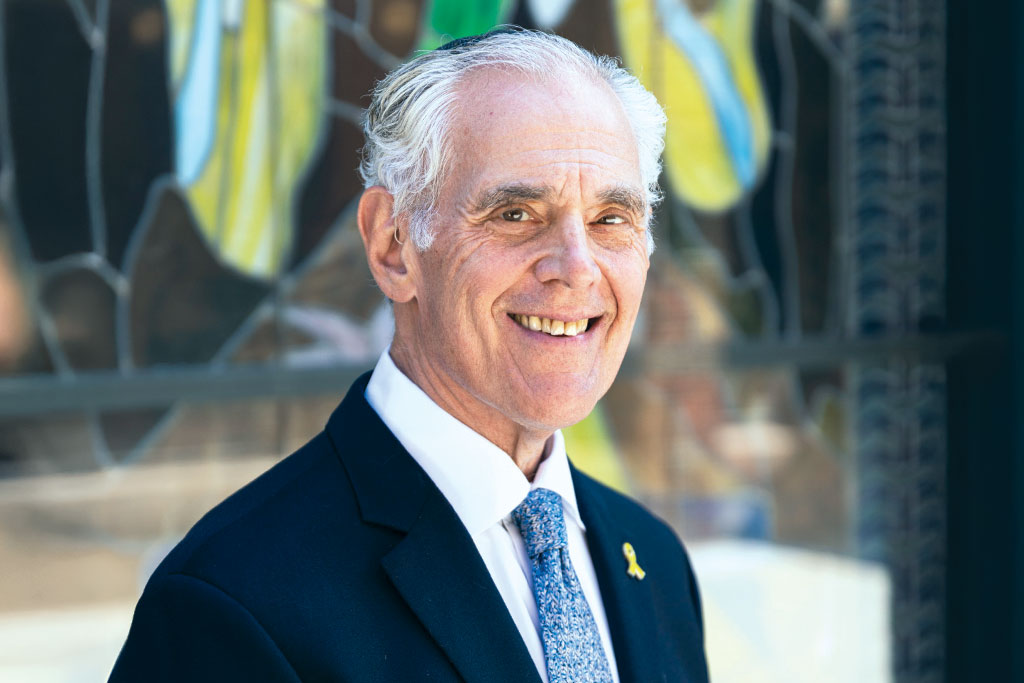
Michael C. Kotzin is executive vice president of the Jewish Federation of Metropolitan Chicago.

This piece first appeared in the Nov. 11, 2007, issue of The Jewish Week. In October, The Jewish Week sponsored its third annual retreat, The Conversation, inviting participants to contribute essays about the conference or ideas emerging from it.

Posted: 12/26/2007 2:13:32 PM

Content Rating

  Average 0 out of 5